


In 2025, the aviation and aerospace sector experienced a dramatic rise in cyber threats, with ransomware attacks against the aerospace supply chain increasing by as much as 600% year-over-year between January 2024 and April 2025.
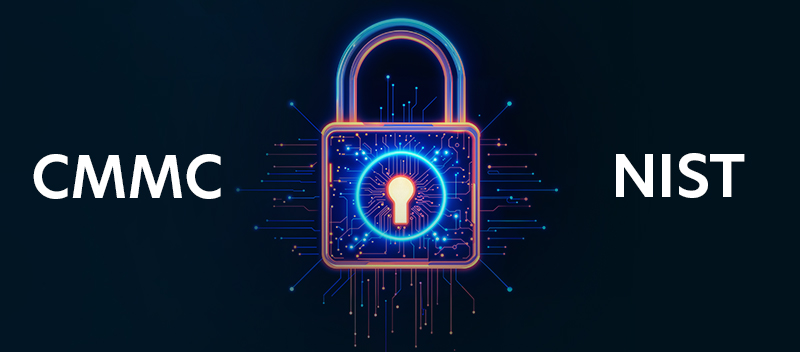
To tackle these risks, the Department of Defense (DoD) introduced the Cybersecurity Maturity Model Certification (CMMC). Its purpose is to help defense contractors protect sensitive data while ensuring they remain eligible for critical DoD contracts.
On the other side of the equation is the National Institute of Standards and Technology (NIST). Known globally for its comprehensive cybersecurity guidelines, NIST has established frameworks like:
- NIST SP 800-171 – Focused on protecting controlled unclassified information.
- NIST SP 800-53 – Broader frameworks for cybersecurity controls in information systems.
However, complying with both CMMC and NIST can be overwhelming for many organizations. Missteps are common, even costly.
Aligning these frameworks goes beyond simplifying compliance. It strengthens your defenses, reduces attack risks, builds client trust, and gives you a sharper competitive edge. These benefits collectively make the extra effort worth it.
Understanding CMMC and NIST Frameworks
The DoD finalized CMMC 2.0 to streamline requirements and strengthen the protection of sensitive information across the defense supply chain. CMMC 2.0 introduces significant changes to simplify implementation without sacrificing critical security standards.
The updated CMMC 2.0 framework consolidates the previous five certification levels from version 1.02 into three streamlined levels:
Level 1 – Foundational
Level 2 – Advanced
Level 3 – Expert
Assessment Requirements
The evaluation process now varies depending on the level of certification required by a contract. Here’s what companies need to know:
- Level 1 requires self-assessments.
- Level 2 includes a mix of self-assessments for some programs and third-party assessments for supporting critical CUI, not all CUI.
- Level 3 mandates formal government-led assessments due to the critical nature of the data involved.
Most contracts will require compliance at Level 1 or Level 2. However, understanding the three levels is crucial for ensuring alignment with CMMC requirements, maintaining eligibility for contracts, and staying competitive.
Transition Period
Defense contractors must complete the transition to CMMC 2.0, since the final rule is now in effect and DoD has begun adding requirements to contracts. This includes revising practices, governance, and documentation to meet the updated requirements.
CMMC 2.0 is now finalized and enforceable through DFARS clauses.
NIST Cybersecurity Frameworks Overview
NIST’s broader cybersecurity ecosystem includes the CSF, SP 800-171, and SP 800-53. The CSF provides the strategic framework, while SP 800-171 and SP 800-53 supply the detailed controls.
NIST SP 800-171
Focused on protecting CUI in nonfederal systems and organizations.
NIST SP 800-53
Covers a broad range of security and privacy controls that companies can adopt.
At the heart of the NIST CSF are six core functions aimed at building strong cybersecurity programs:
- Identify – Pinpoint risks to systems and sensitive data.
- Protect – Apply security measures to prevent hazards.
- Detect – Monitor systems to spot incidents quickly.
- Respond – Act immediately to contain and resolve threats.
- Recover – Restore affected systems and resume operations after disruptions.
- Govern – Develop governance structures and processes to oversee cybersecurity risk management.
Bridging CMMC and NIST
The CMMC framework builds on the foundation set by NIST SP 800-171, integrating its security requirements while tailoring them to defense contractors. By aligning these frameworks, contractors not only achieve CMMC compliance but also enhance their cybersecurity risk management. Taking it a step further, adopting the in-depth controls found in NIST 800-53 can help contractors meet higher CMMC levels and stay protected against growing cybersecurity threats.
Aligning CMMC with NIST Frameworks
Key Similarities
CMMC and NIST CSF share a foundation built on common principles. Both stress the value of risk management and exhort businesses to recognize, evaluate, and reduce risks to their data and systems. Another important element is continuous development; to keep ahead of the constantly changing cybersecurity issues, they want businesses to assess and improve their procedures on a regular basis.
Additionally, both frameworks focus on implementing and maintaining effective security controls. From access management to incident response, the frameworks prioritize actionable measures that ensure sensitive information, such as CUI, is always protected. These shared principles make it easier for organizations already familiar with one framework to align with the other.
Key Differences
While there is overlap, notable differences exist between the two frameworks.
Specific Requirements
CMMC has specific mandates tailored to the needs of defense contractors, some of which are more strict than those found in NIST SP 800-171. For instance, CMMC 2.0 Level 2 incorporates NIST SP 800-171 but also requires assessments by third parties for higher-priority contracts, which is something that NIST does not mandate.
Focus Areas
CMMC’s structure is designed to meet the DoD’s unique needs, integrating aspects of NIST 800-53 at its highest level, whereas NIST frameworks are more general and applicable across various industries. These nuances require careful attention and strategic planning.
Practical Guidance
For defense contractors and other organizations managing CMMC compliance alongside NIST, an integrated approach is key. Here’s a roadmap to help streamline the process:
Understand the Overlaps
Start by identifying areas where CMMC and NIST align, such as identity and access management, incident response, and protective controls. This will allow you to build core systems that satisfy both frameworks.
Conduct a Gap Analysis
Compare your current cybersecurity practices with the requirements of both CMMC and NIST SP 800-171. Highlight areas where additional effort is needed; this is especially important for meeting CMMC 2.0 Level 2 standards.
Develop an Action Plan
- Prioritize critical tasks like protecting CUI and ensuring regular monitoring of your systems.
- Implement security controls incrementally if resources are limited, beginning with high-risk areas.
- Assign roles and responsibilities to your team for seamless execution.
Leverage Security Tools
Use industry-recommended tools and software to assist in cybersecurity risk management. Robust solutions for data encryption, threat detection, and incident response can help maintain compliance with both frameworks.
Schedule Regular Assessments
Cybersecurity isn’t a “set it and forget it” process. Perform regular audits of your systems to ensure sustained compliance and to address emerging threats. These can include self-assessments for CMMC Level 1 and third-party assessments for higher levels.
By following these steps and maintaining an integrated approach, organizations can confidently align with CMMC and the NIST Cybersecurity Framework. This will simplify compliance and create a robust, future-ready cybersecurity program that enhances defense against evolving threats.
Implementing and Maintaining Compliance
Developing a CMMC and NIST Compliance Plan
Creating a robust compliance plan is the foundation for meeting CMMC and NIST Cybersecurity Framework requirements. The process involves several key steps to ensure nothing is overlooked:
Conduct a Thorough Risk Assessment
Begin by identifying vulnerabilities and potential threats to your organization’s systems. Assess the likelihood and impact of these risks, factoring in the type of CUI you manage and the systems that handle it.
Identify and Prioritize Critical Assets and Systems
Not all systems carry the same risks or value. Focus on critical assets, those whose compromise could disrupt operations or lead to unauthorized access to sensitive information. By prioritizing these assets, you can allocate resources more efficiently.
Develop and Implement a Plan
Align your policies and procedures with both CMMC compliance and NIST SP 800-171 controls.
- Tailor the plan to your organization’s needs and risk profile.
- Coordinate efforts across teams to ensure that everyone understands their role in maintaining cybersecurity standards.
Document Security Controls and Procedures
Compliance goes beyond implementation; it requires meticulous documentation. Record all security controls, standard operating procedures, and any updates as they occur. This not only demonstrates compliance during audits but also serves as a guide for maintaining and improving your cybersecurity program.
A comprehensive plan not only fulfills immediate requirements but also lays the groundwork for long-term cybersecurity risk management.
Continuous Monitoring and Improvement
Compliance is not a one-time task. Organizations must commit to ongoing vigilance and improvement to defend against evolving threats and meet changing standards. Here’s how:
Monitor and Assess Regularly
Implement continuous monitoring tools to track the effectiveness of your security controls. These tools can provide real-time alerts and insights, enabling quick responses to potential breaches.
Conduct Internal and External Audits
Schedule periodic audits to assess compliance with CMMC standards and NIST 800-53. Internal audits can uncover gaps that might otherwise go unnoticed, while external assessments offer an unbiased evaluation. Both are crucial, especially for contractors aiming for higher CMMC levels.
Adapt Based on Findings
Use results from audits and assessments to revise your processes. Whether it’s updating a procedure or investing in new tools, proactive improvements prevent minor concerns from turning into major issues.
Keep Up with Updates
Stay informed about changes to CMMC requirements and NIST publication. Cybersecurity standards evolve to address new risks, and being aware of these updates ensures that your organization doesn’t fall behind.
Combining a well-executed plan with continuous monitoring can help you maintain compliance, secure sensitive data, and strengthen your cybersecurity posture over time.
Building a Resilient Future Through CMMC and NIST Alignment
Aligning CMMC and the NIST Cybersecurity Framework is about securing critical assets while strengthening your organization against evolving threats. A unified approach enhances efficiency, simplifies compliance, and helps manage cybersecurity risks effectively. This alignment builds resilience, positioning your business for sustained success.
Our team of cybersecurity experts at TrustNet is dedicated to guiding you through every step of CMMC and NIST compliance.